Here, you'll find guidelines, application examples, and don'ts for AI-generated images.
Generate realistic, lifelike scenes indistinguishable from photography.
Maintain accurate proportions, materials, and natural forms.
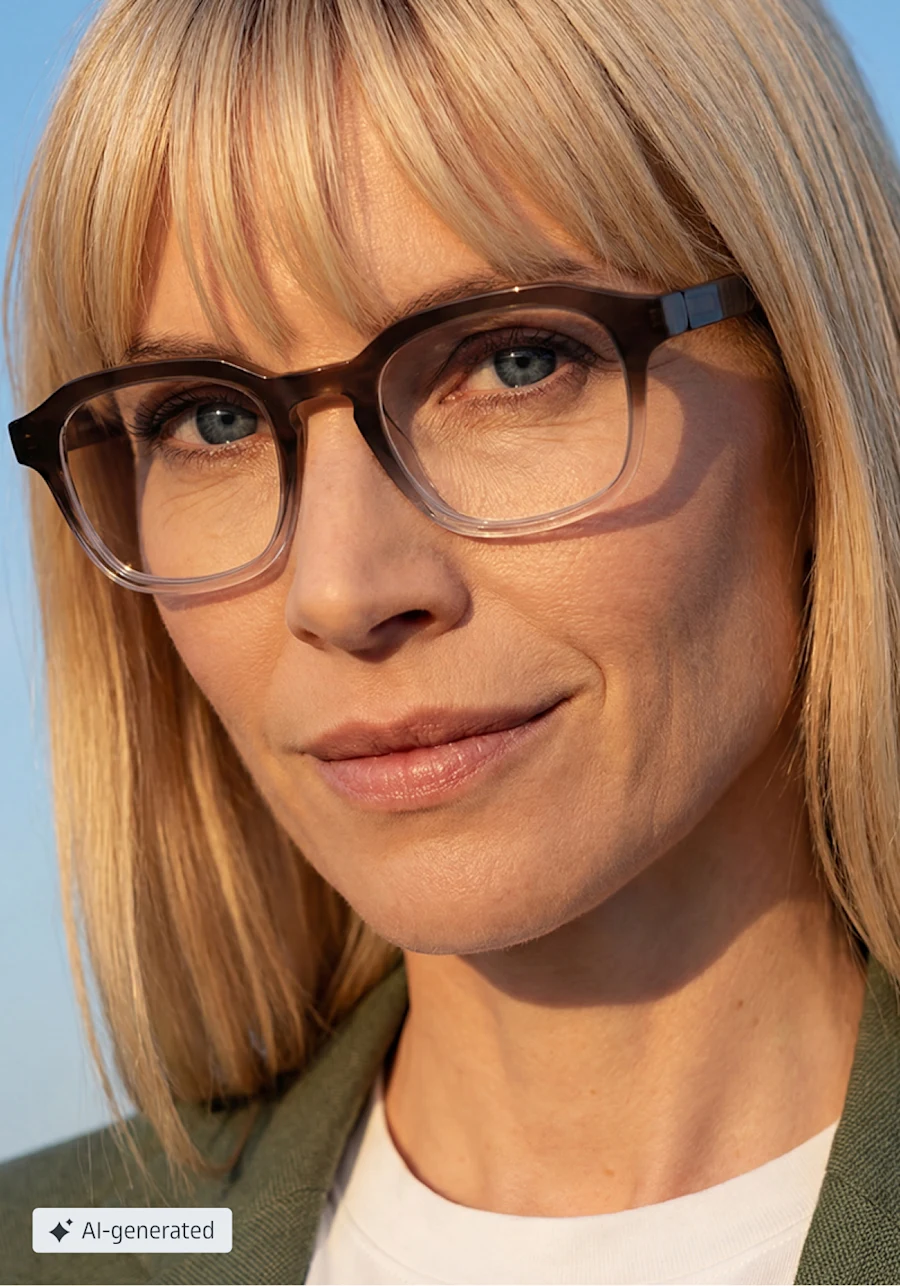
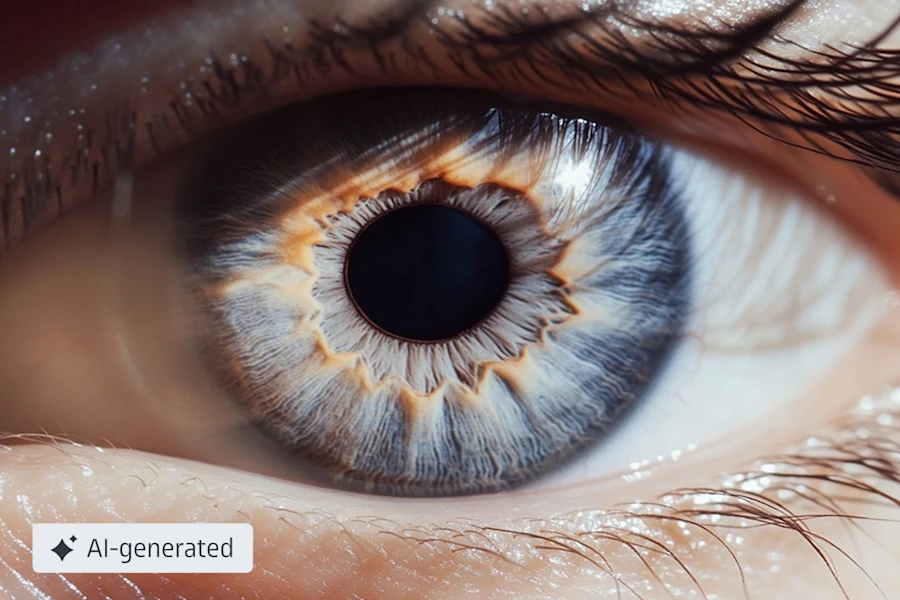

Align all generated elements with the intended context and brand guidelines.
Maintain visual coherence in styling and details across all generated content.
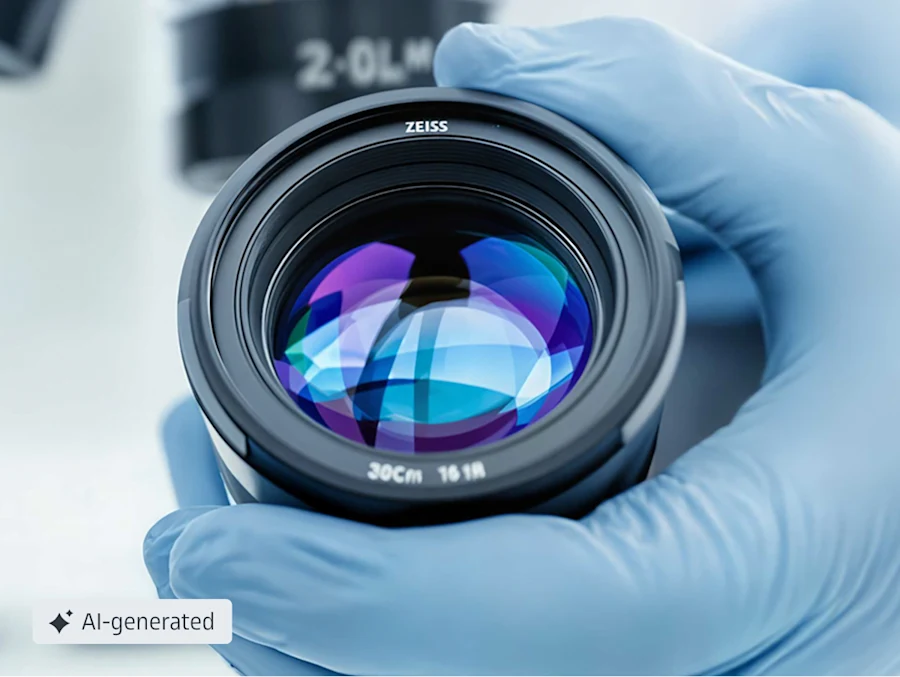
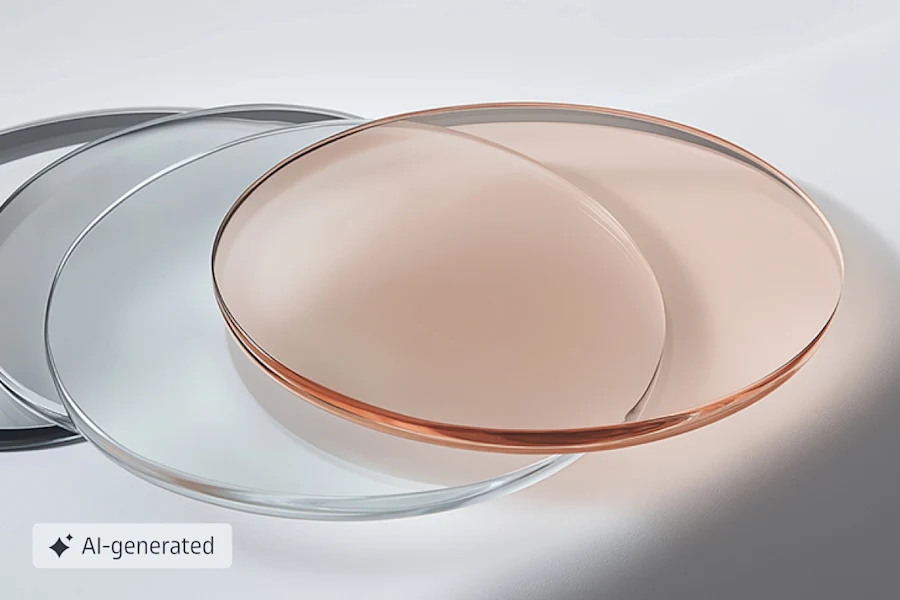
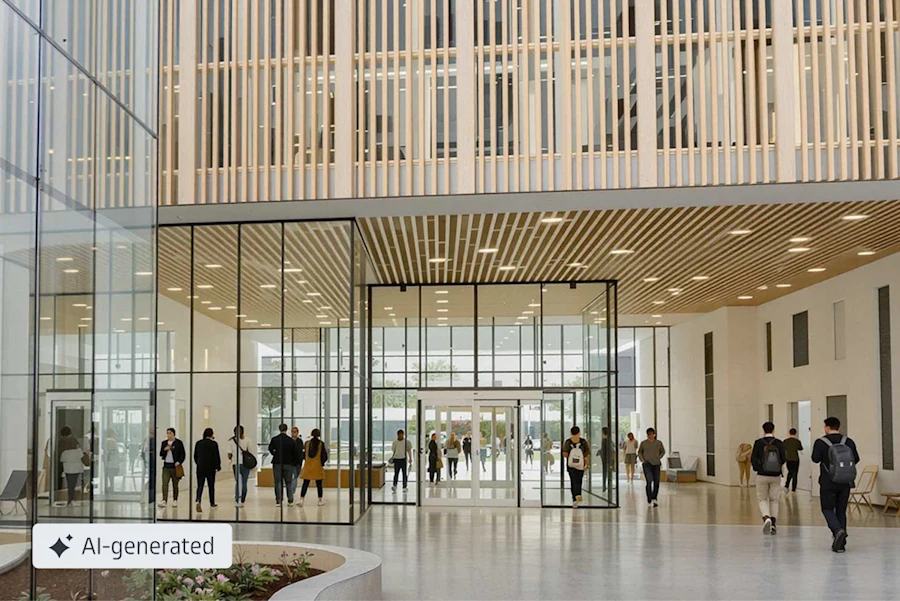
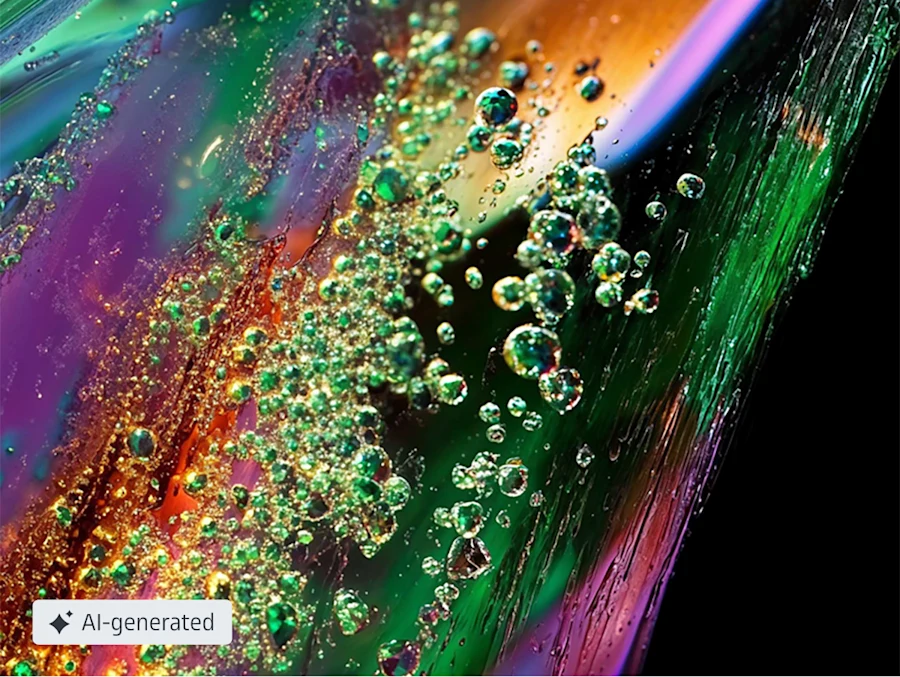
Balance perfection with believable detail to achieve realistic visuals.
Include subtle imperfections for greater realism, such as minor reflections, slight asymmetry, and surface irregularities.
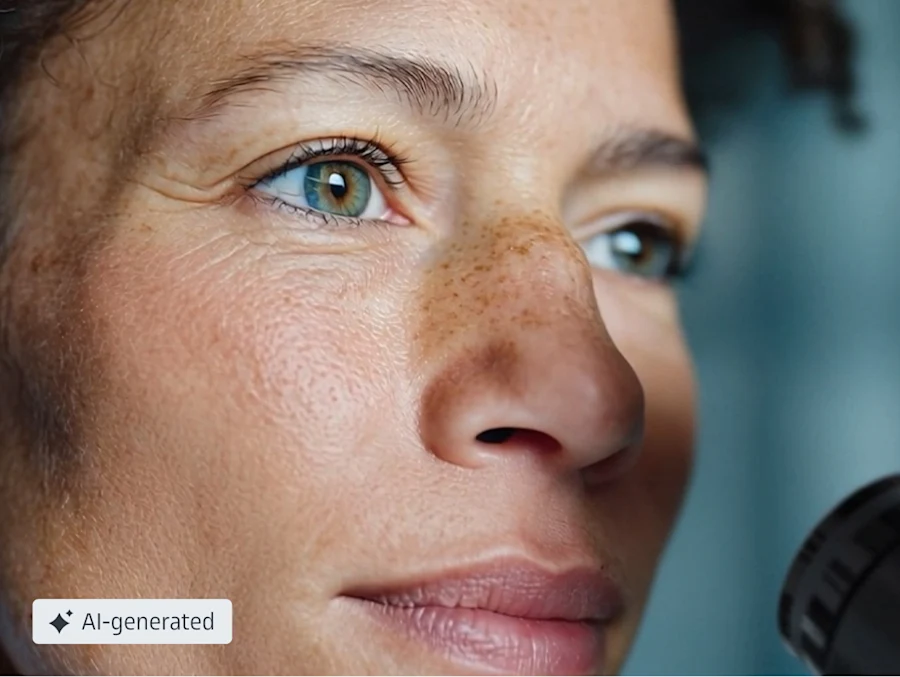
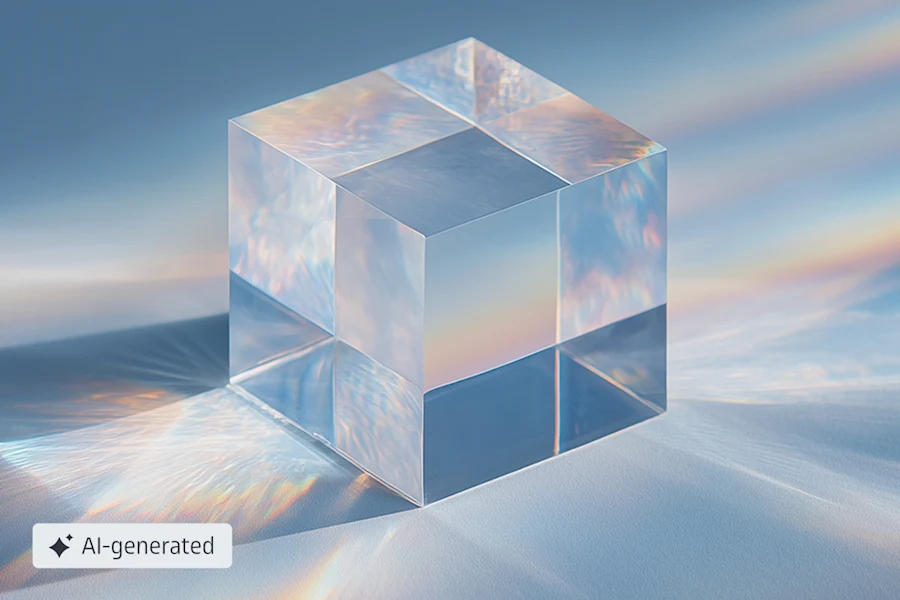
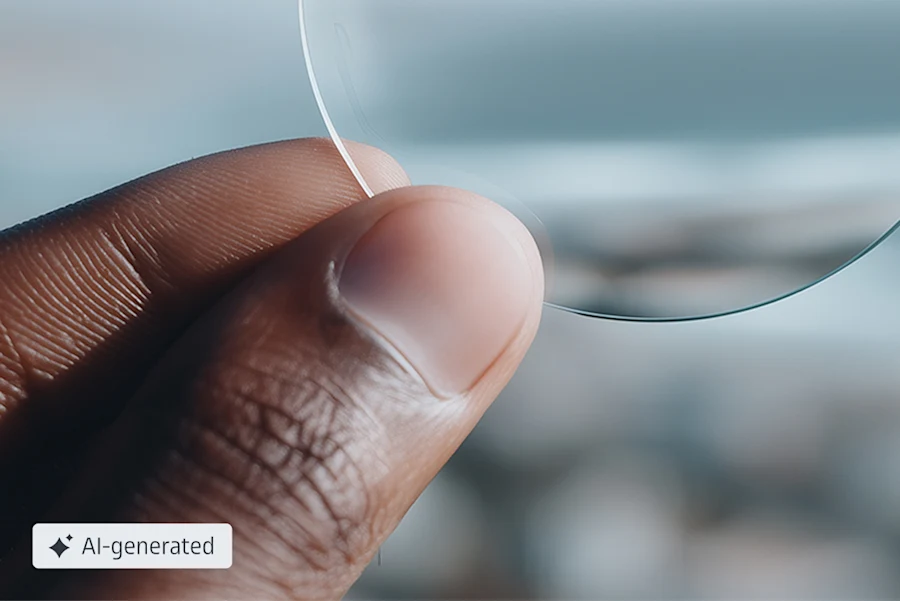
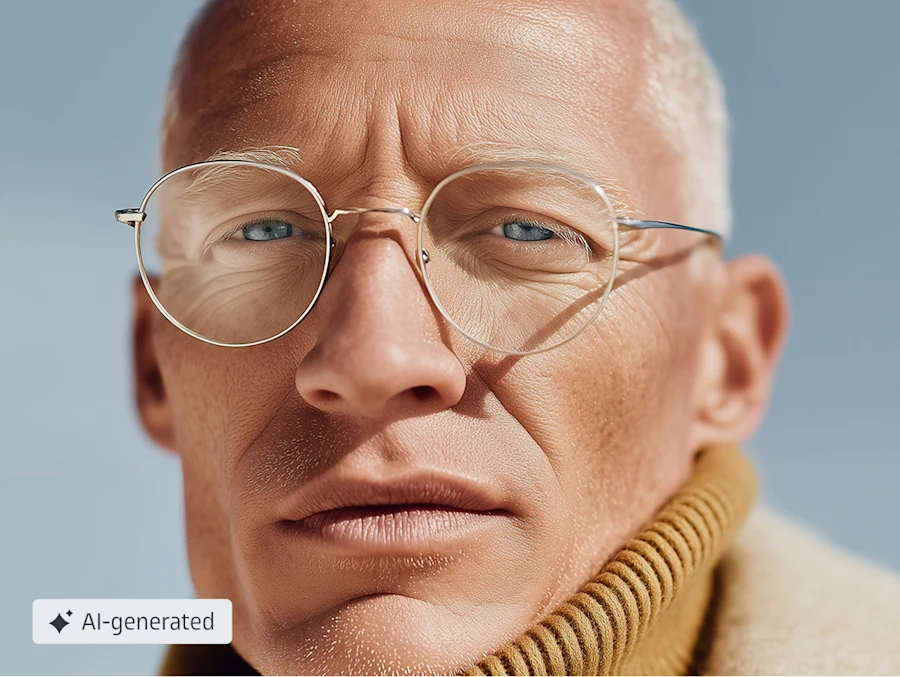
Use detailed prompts with clearly specified requirements for lighting, style, and composition.
Specify the intended setting, subject, and mood explicitly.
Craft clear, focused prompts that leave no ambiguity.
Deploy existing on-brand imagery to create mood boards for AI tools.
Use existing products as references, if needed.
Always check the general imagery guidelines to ensure images are on brand.
Reach out to the ZEISS Brand Team if you are unsure.
Verify outputs carefully to avoid unintended biases or misrepresentations.
Regularly assess generated visuals for brand and ethical compliance.
Ensure human oversight and approval are built into the workflow.
Assets created with artificial intelligence must be labeled either in the image description and footnote or directly on the asset itself.

Visuals with an artificial or synthetic feel

Exaggerated, cartoonish, or playful outputs that undermine credibility

Anatomical glitches

Flawless skin, staged studio perfection, or artificial beauty standards

A generic “stock” look & feel

Outputs that look like digital filters
Corporate Brand, Communications & Public Affairs