Architectural design elements are essential for coherent architecture. All elements of a building form a coherent whole and are distinguished by a clear visual language. The goal is to create a cohesive entity in which materials, forms, and functions are aligned harmoniously.
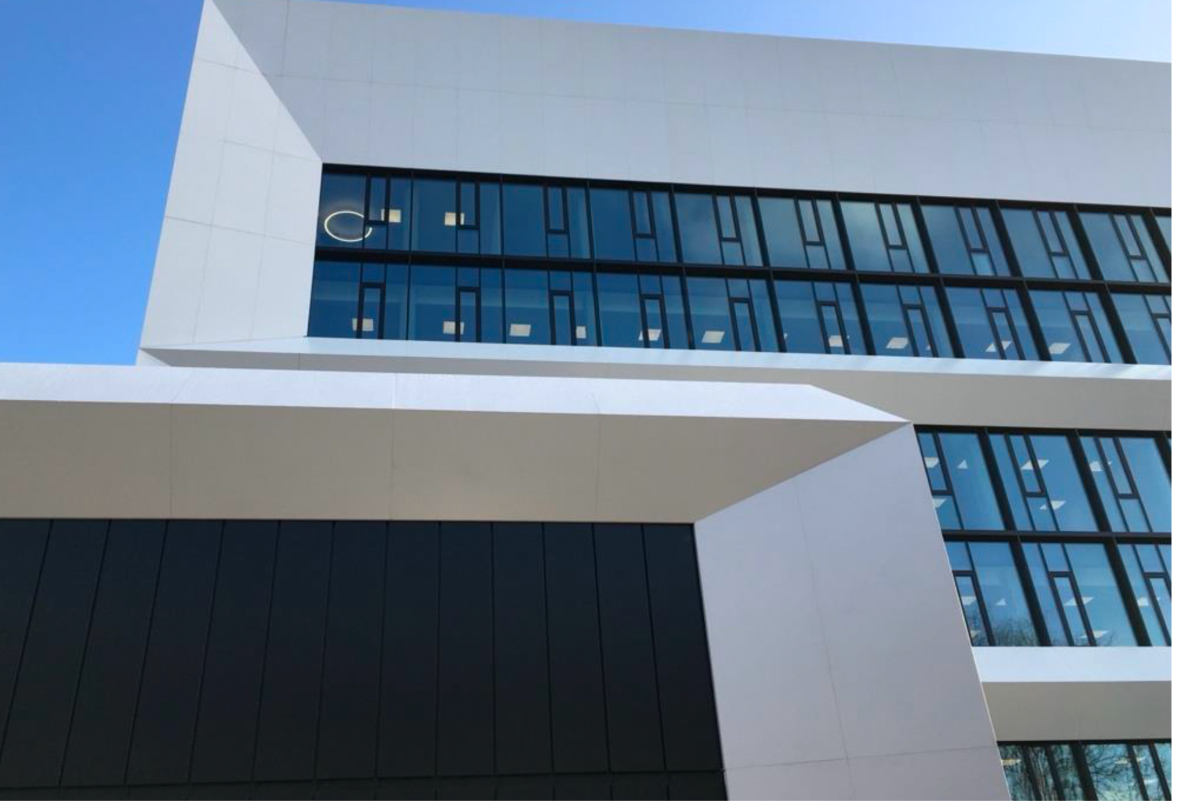
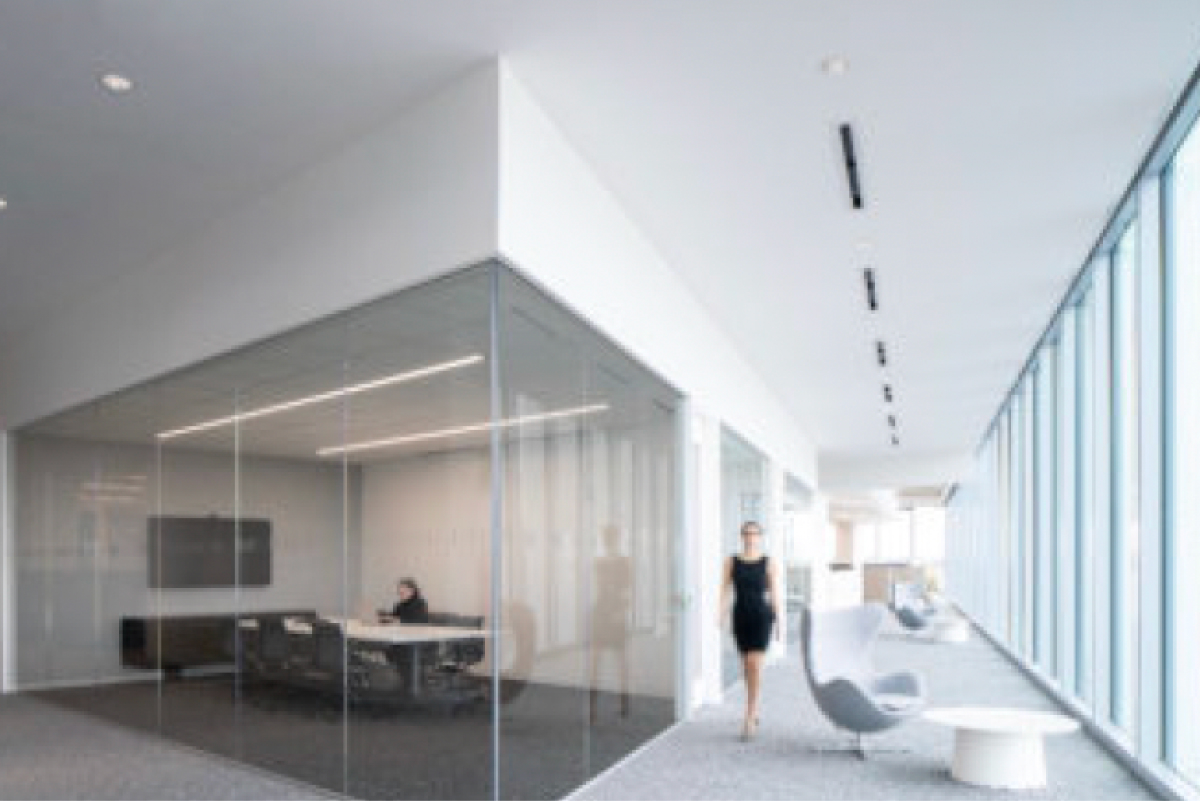


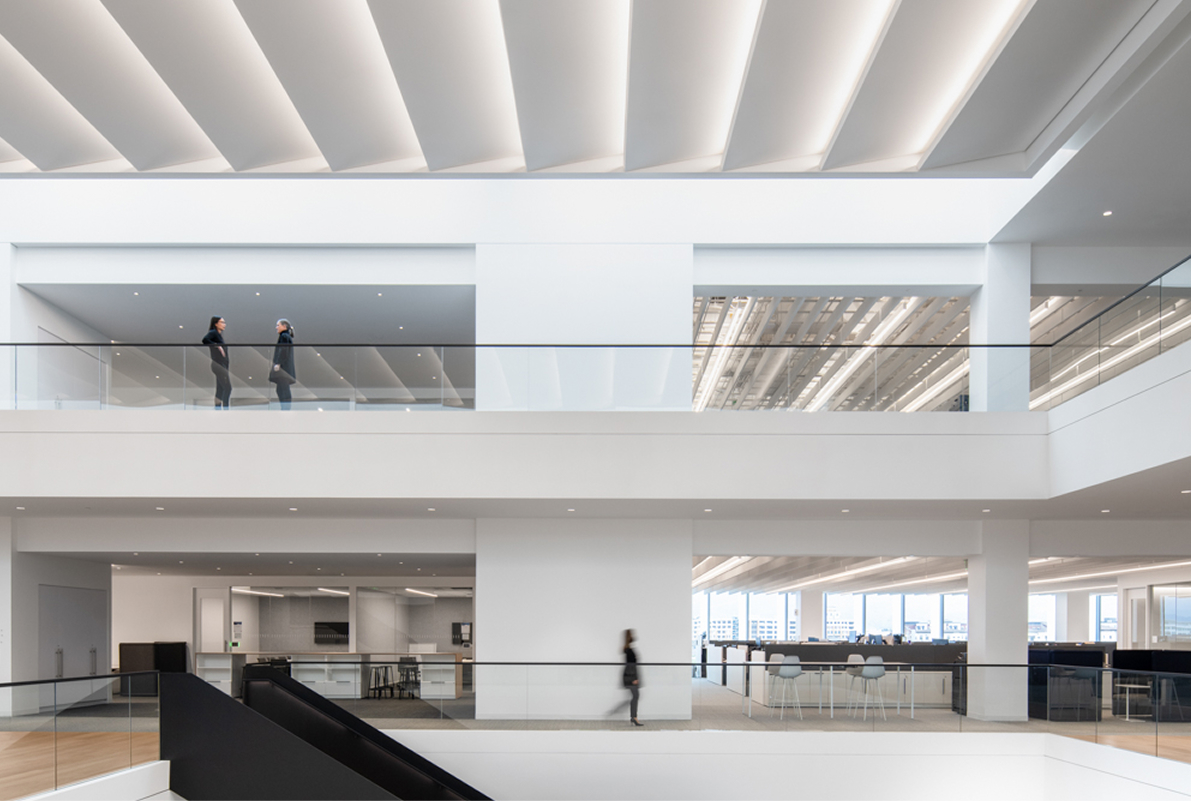

Form refers to the outer appearance of a building, its structure, all of its different elements, and their relationship to each other. The purpose of a building influences its form. The design fundamentals are: composition, proportion, contrast, symmetry, hierarchy, structure, and dimension. The form becomes a means of expression: of functionality, symbolism, and identity.
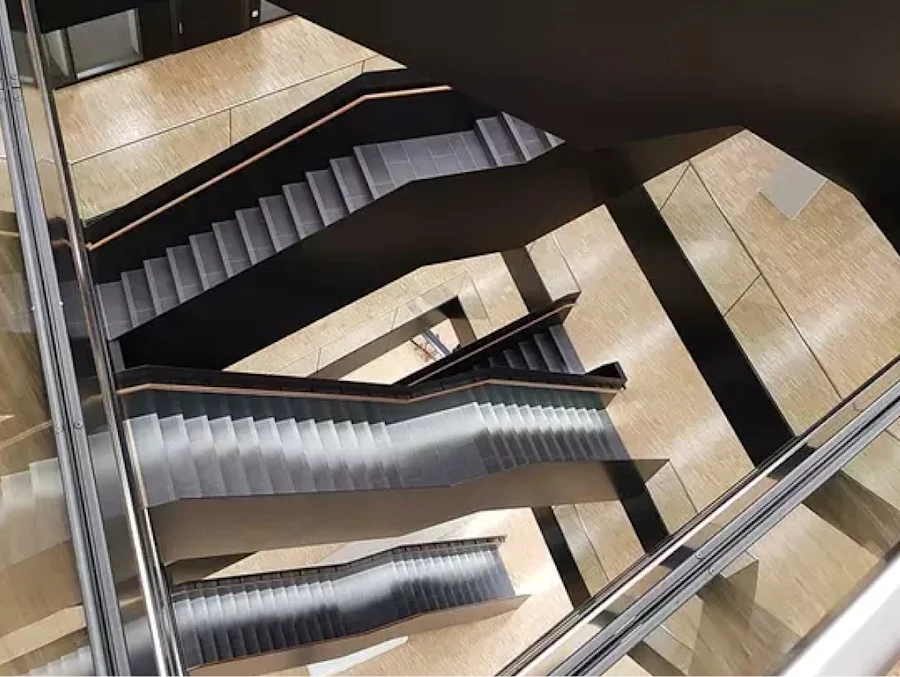

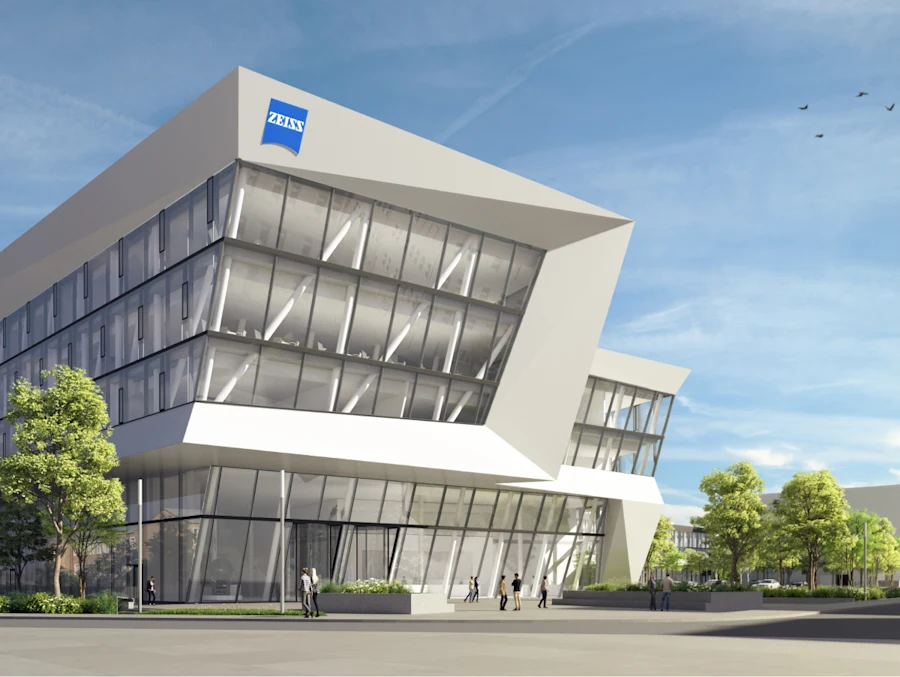
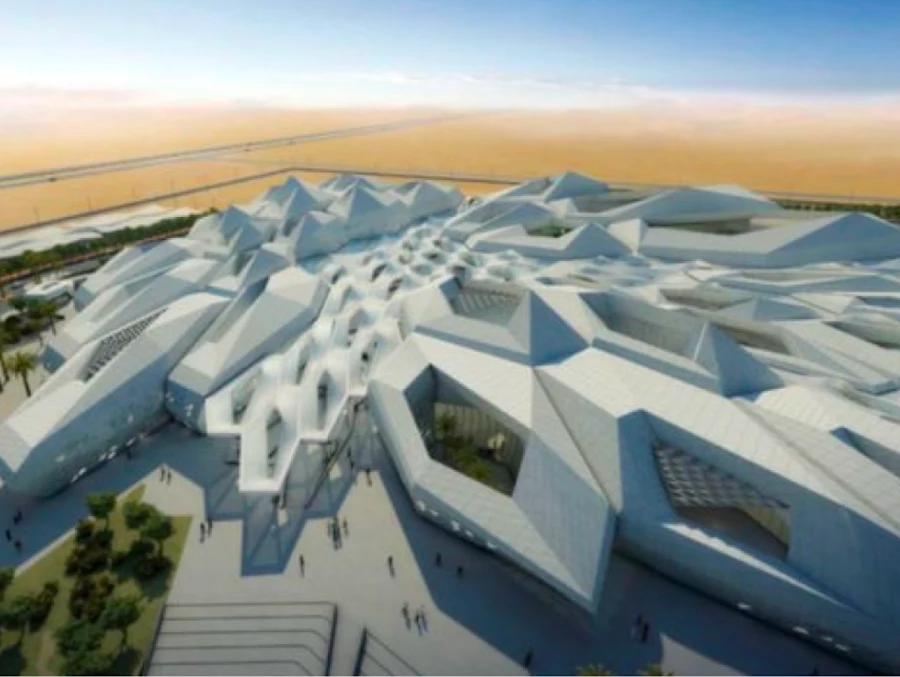
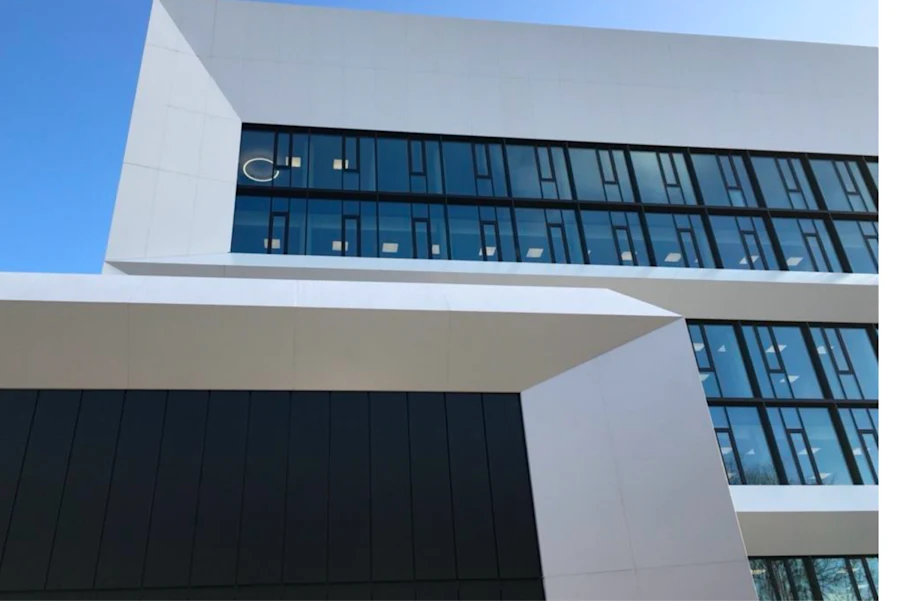
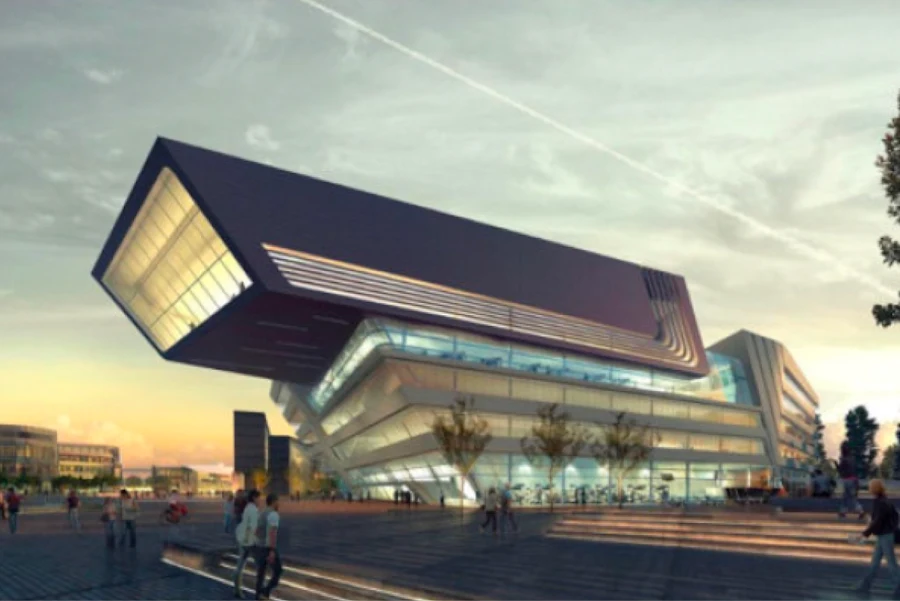
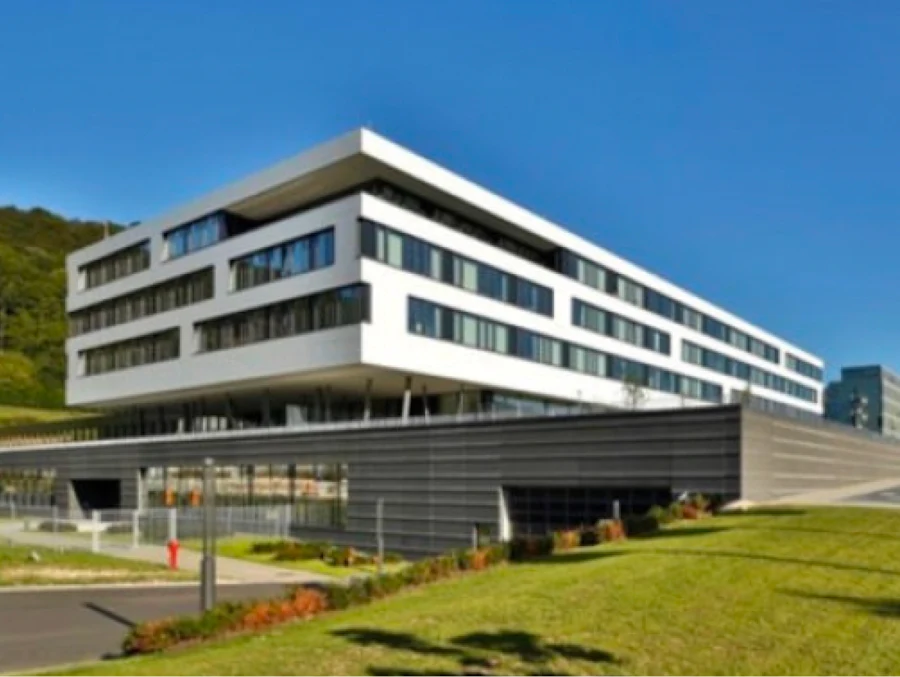

Rounded shapes

Dominant vertical structures, awkward proportions

Wave-like vertical structures

Complex free-form structures

Round cylindrical bodies

Rounded and vertical building structures
Space refers to the inner part of a building bounded by walls, ceilings, and floors (interior space); or an urban/village structure bounded by different types of buildings (exterior space). The ZEISS Brand is reflected in our architecture through the targeted use of our basic design elements. These elements help ensure that spatial concepts and interior design are perceived as part of the brand. In addition to the spatial structure, interior design includes the furniture, the wall design, and the integration of plants and decorative elements.
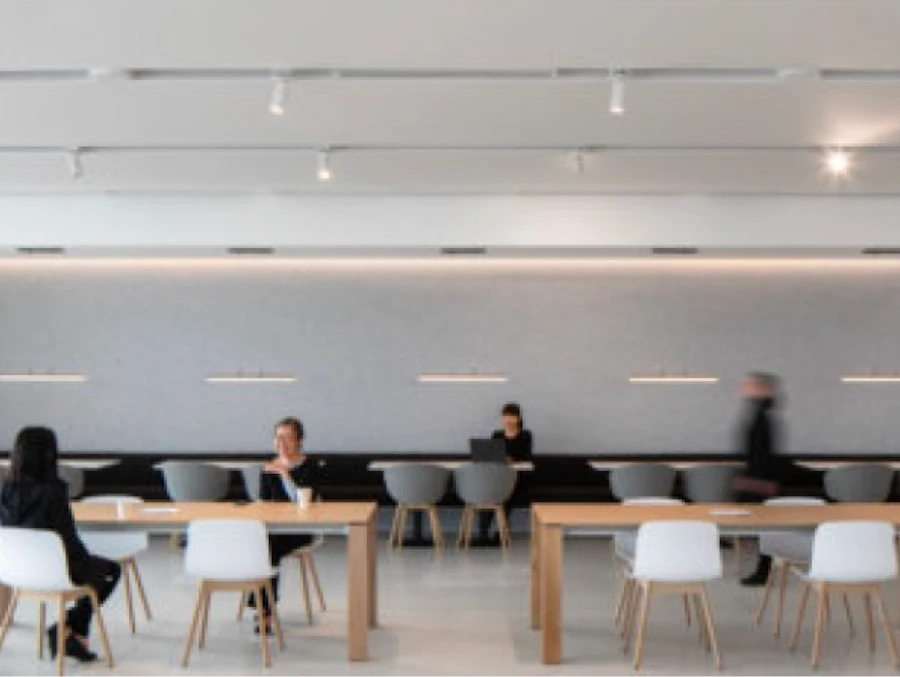
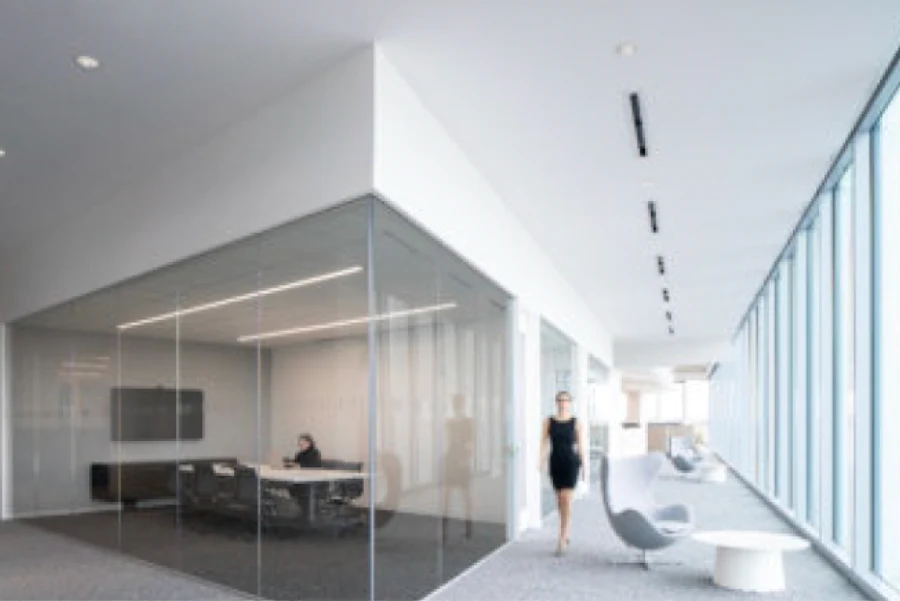
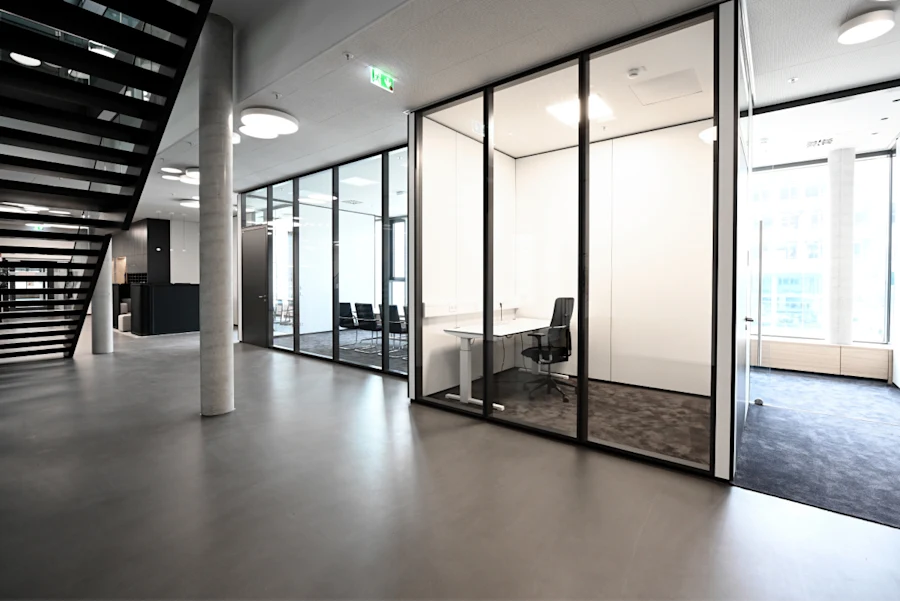
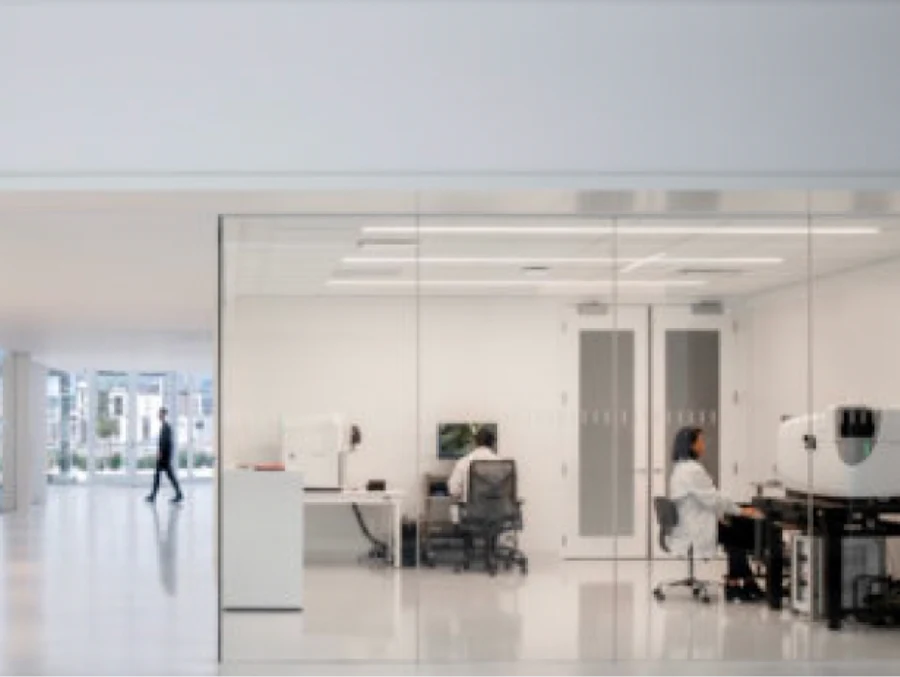
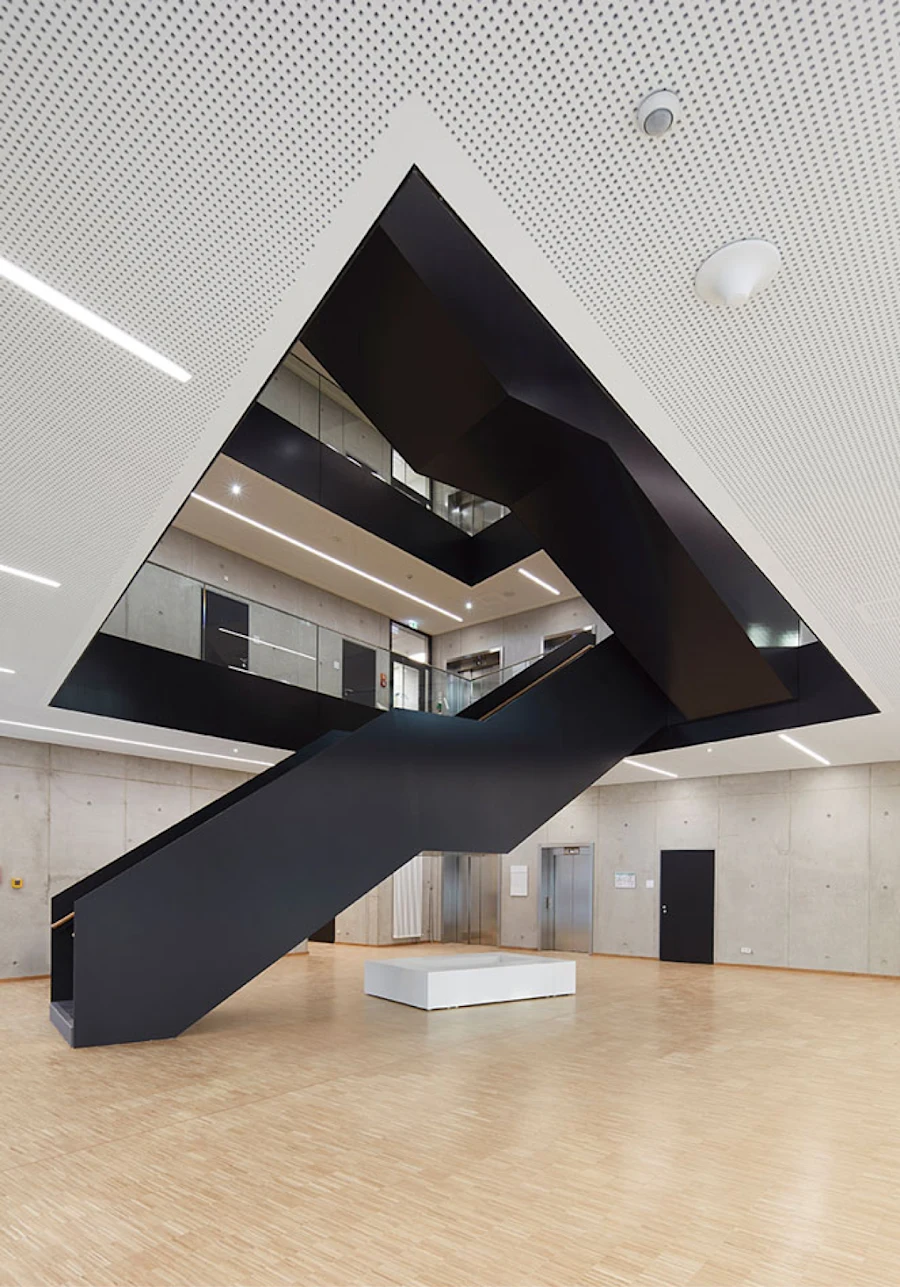
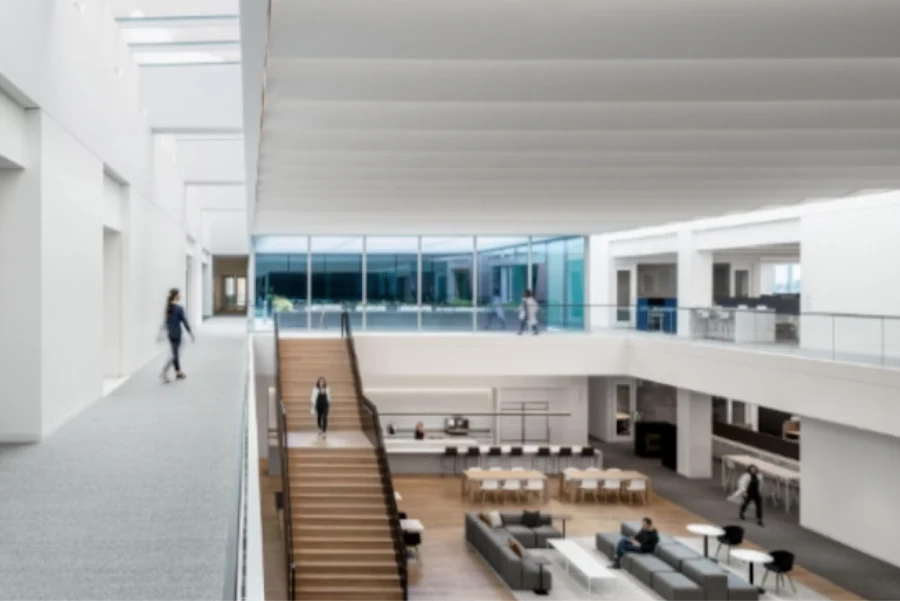
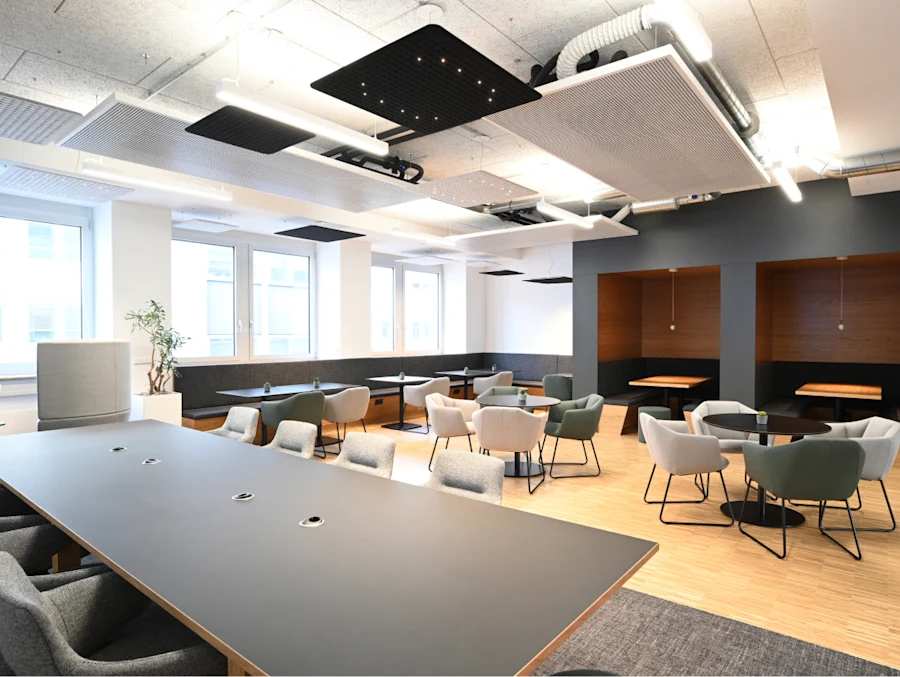

Living room-like atmosphere, inappropriate color scheme

Round and oval design elements (unless required for technical reasons)

Interwoven functional building structure

Ambiguous, colorful structures
We place particular emphasis on a clear and uniform color scheme. When designing our buildings, we only use the colors black (approximately 15–20%) and white (approximately 80%). These two colors represent our brand and create a harmonious foundation to clearly communicate our architectural vision.
The use of different materials gives our buildings character. Materials such as glass, concrete, wood, and metal give each project a unique texture and depth that goes beyond simple color schemes.
Interplay of color and material
The combination of black and white with different materials provides a dynamic foundation for the design. In addition to the elements' constructive function, materials play a key role in integrating human authenticity, empathy, and a personal note in brand communication.
At ZEISS, we divide materials into brand signature and human touch to strategically develop the true essence, values, and vision of our company and make these visible.



or brushed aluminum




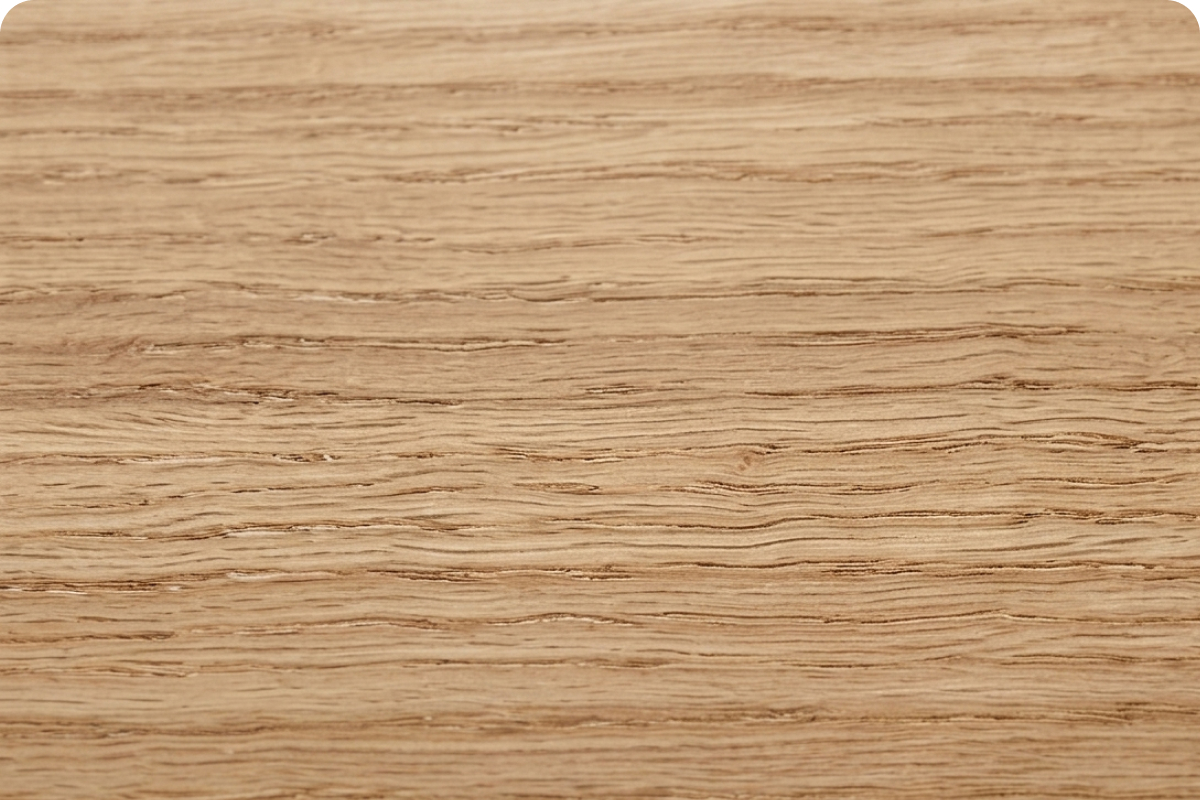

Dyed materials – here, ZEISS Indigo

Aged or artificially aged surfaces
Light is a key component in architecture and spatial designs. Semidarkness and shadows provide a strong, important contrast to light. Uniform lighting, such as through garish mid-day light, reduces the vividness of a building. The amount of lighting, the color of the light, and moving from bright to dark – all of these impact people's well-being, rhythms, and mood.
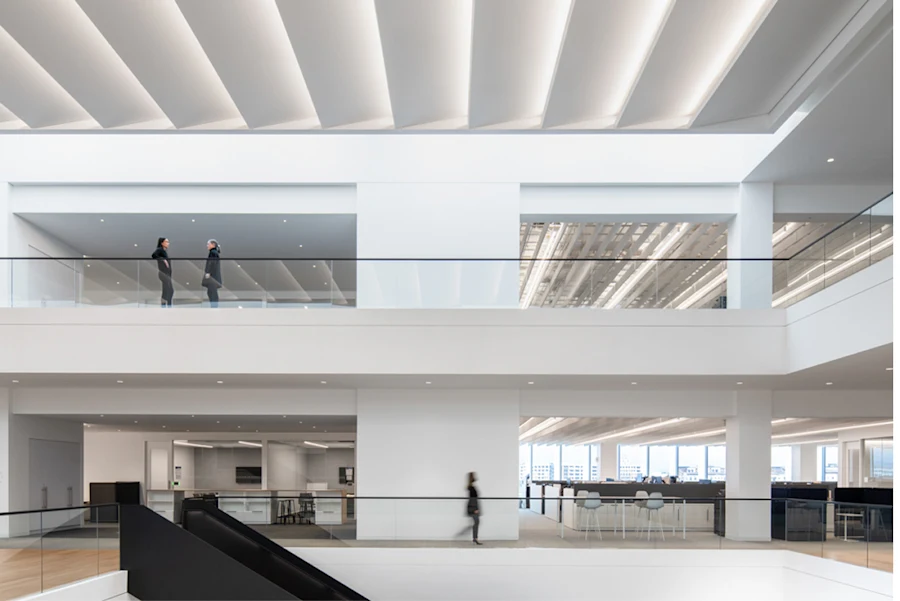
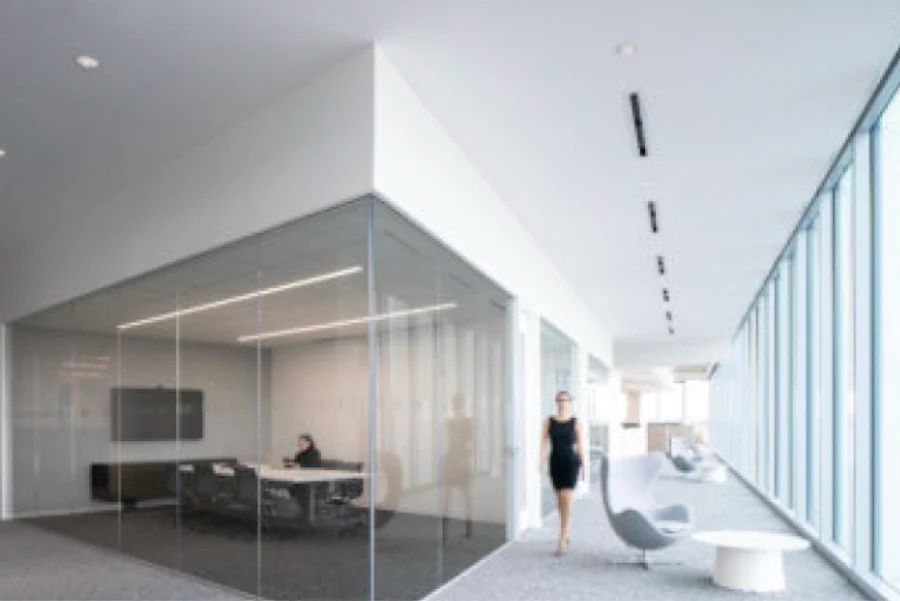
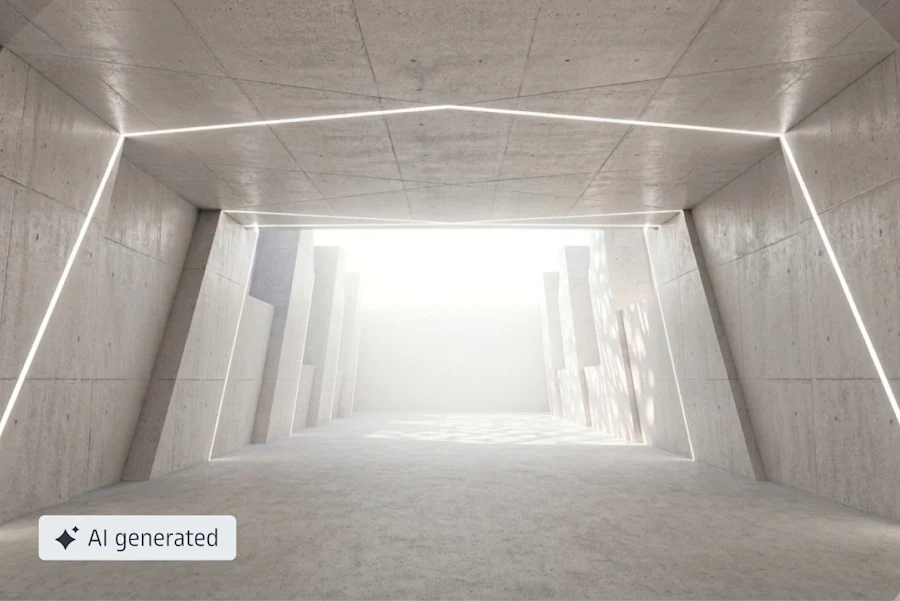
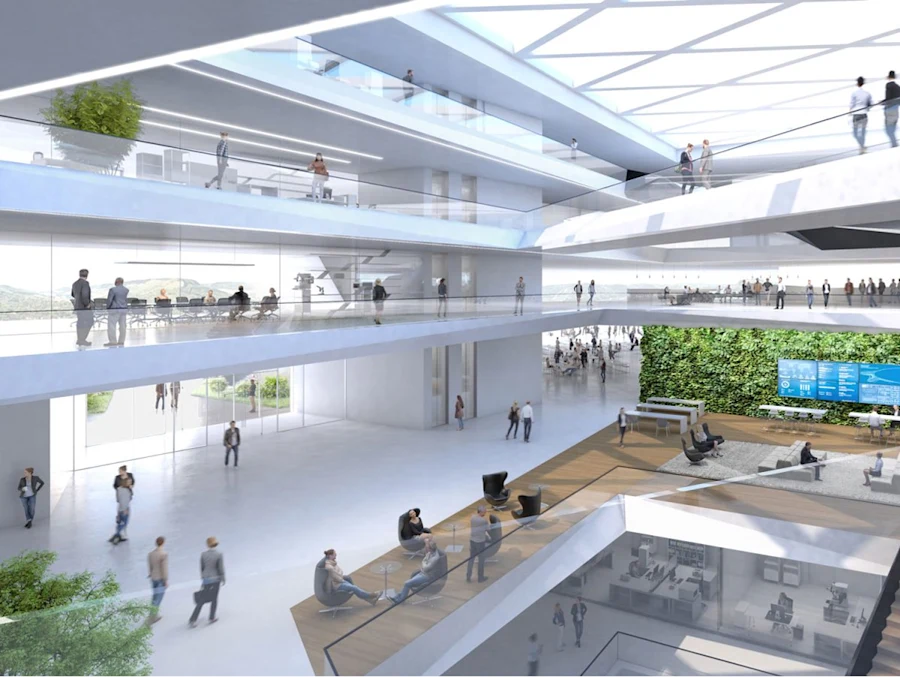

Sacred atmosphere

Dark and dim lighting

Decorative lighting
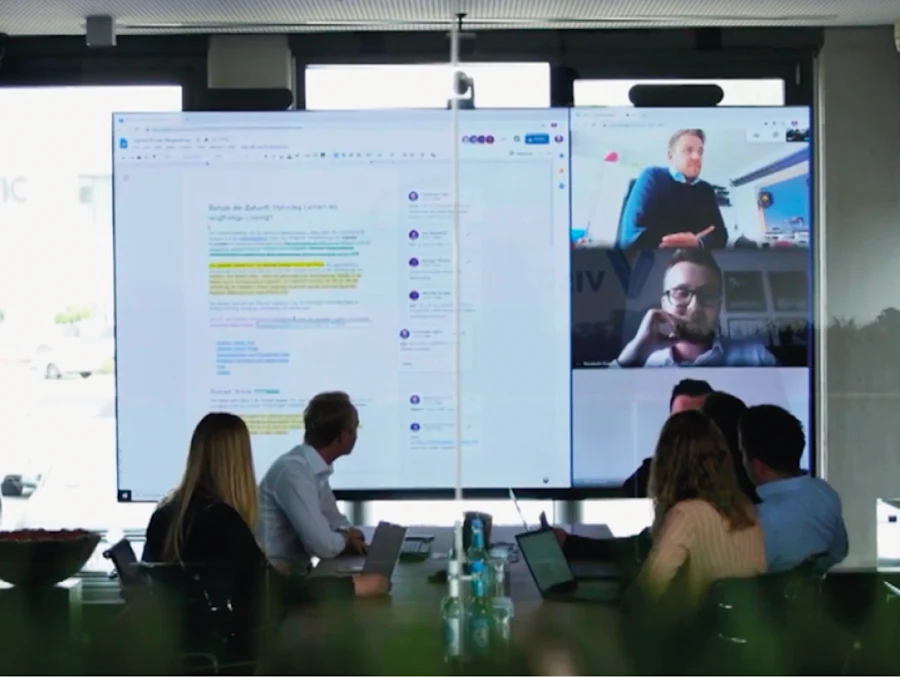
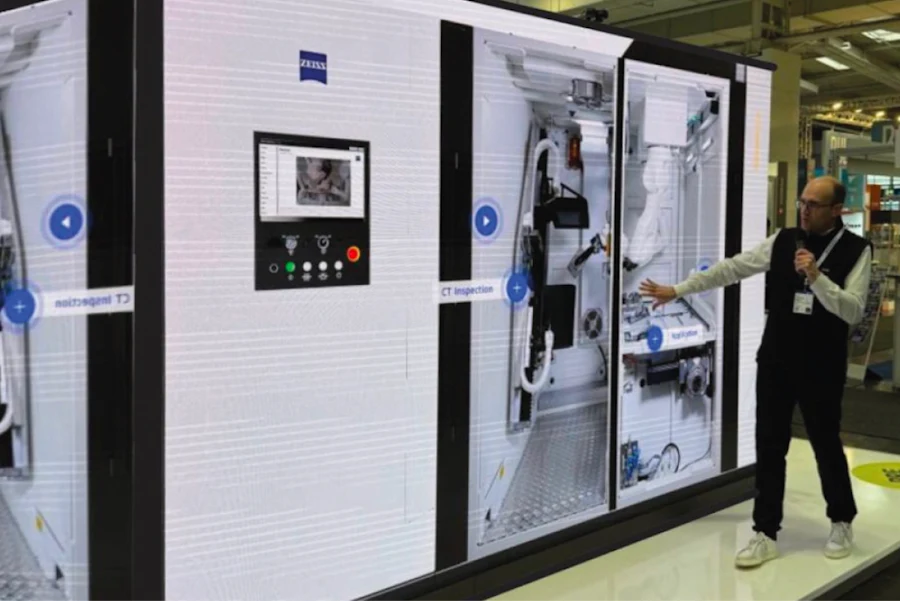
Deliberately create communication interfaces in the architecture. Connect content from different business units with architectural touchpoints. Learn about the latest trends, media technology, and presentation formats from CBC. Install corresponding touchpoints when implementing the customer journey.

Corporate Brand, Communications & Public Affairs